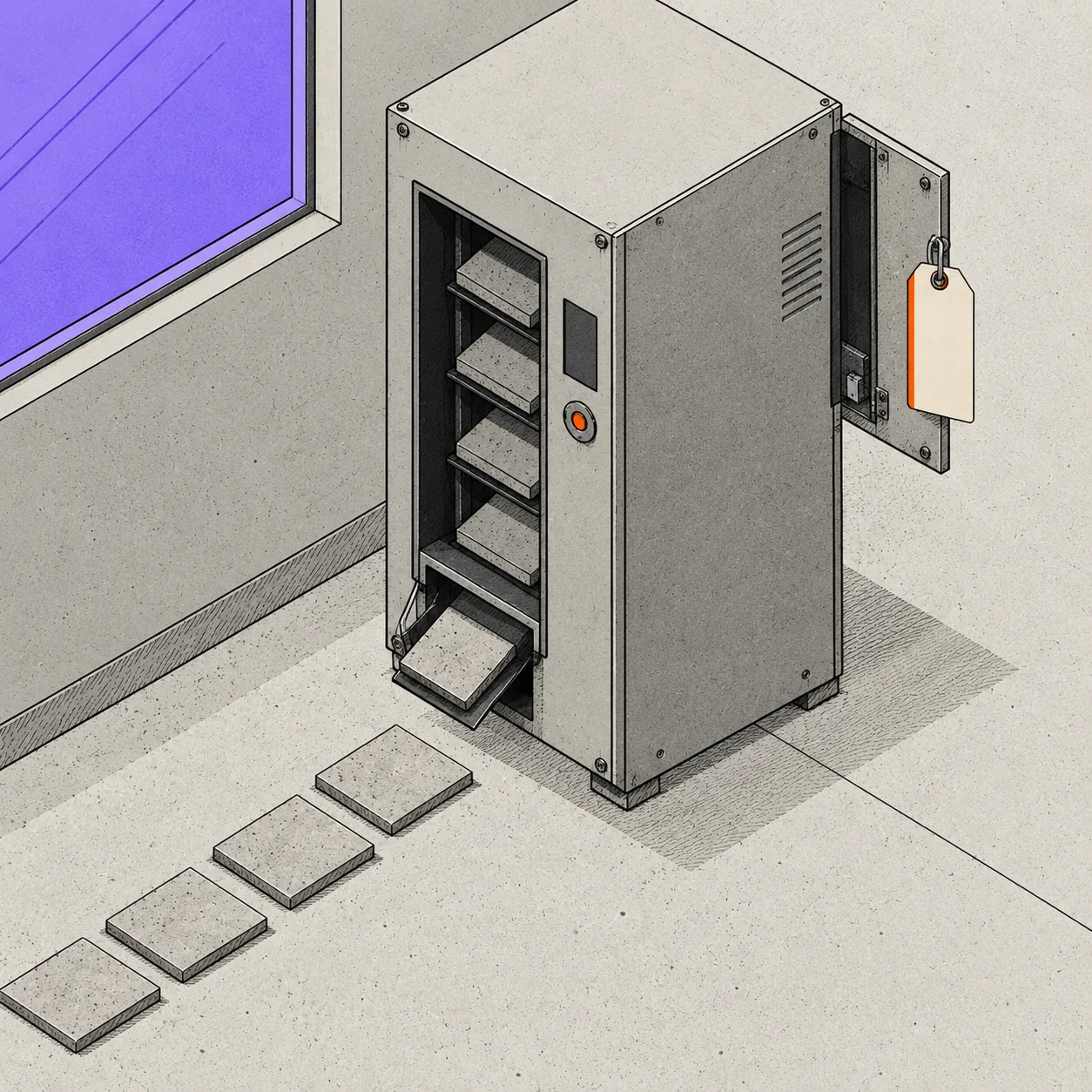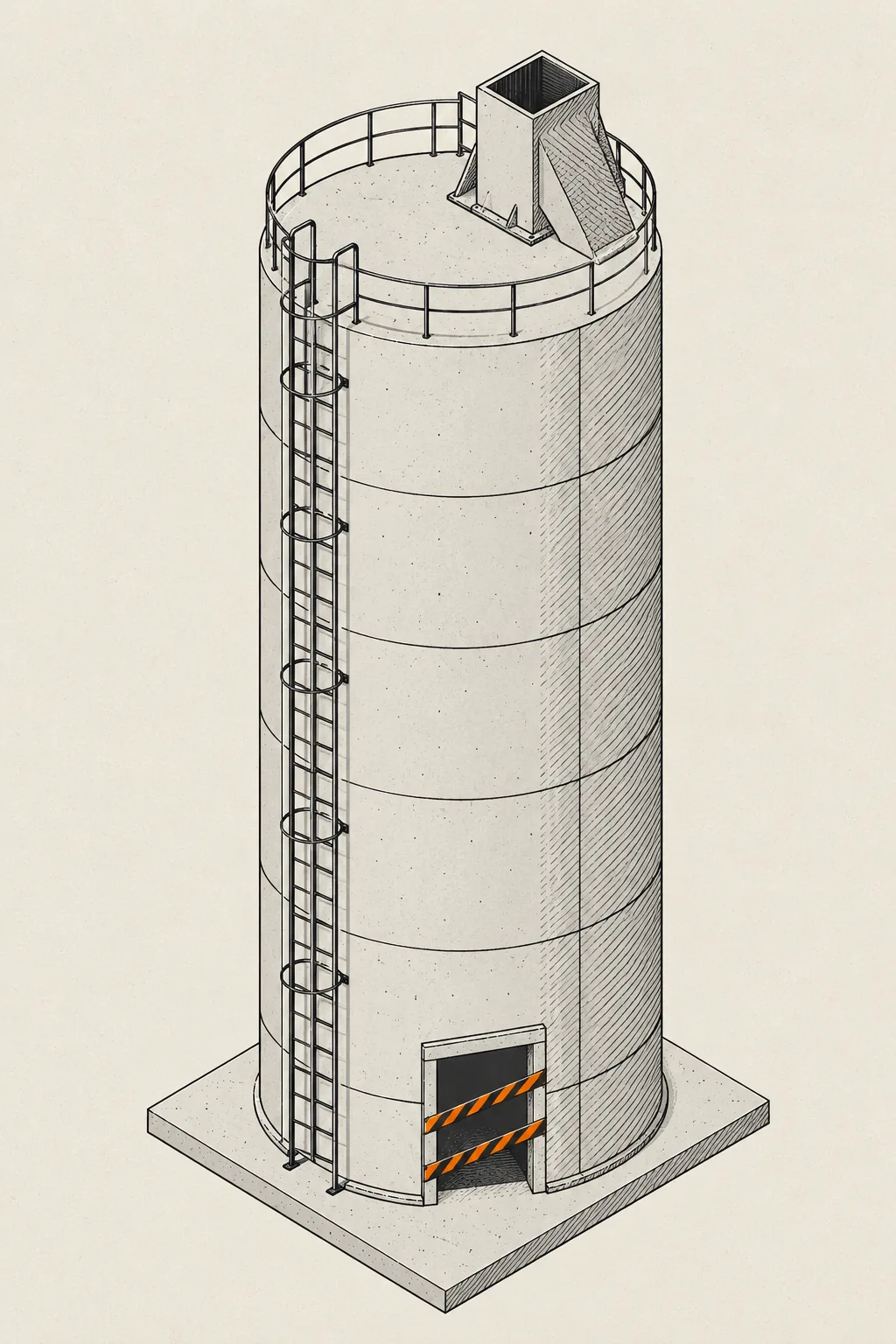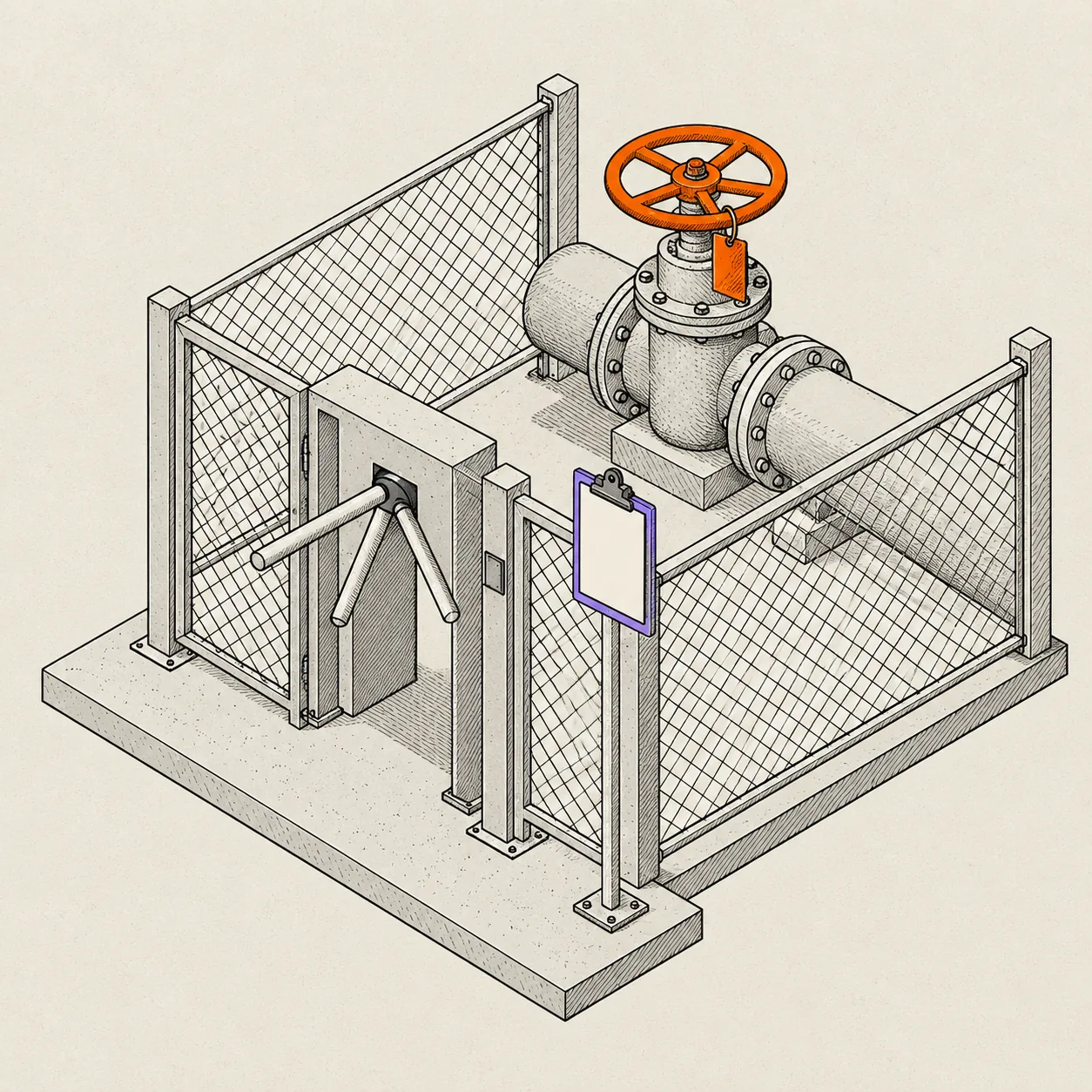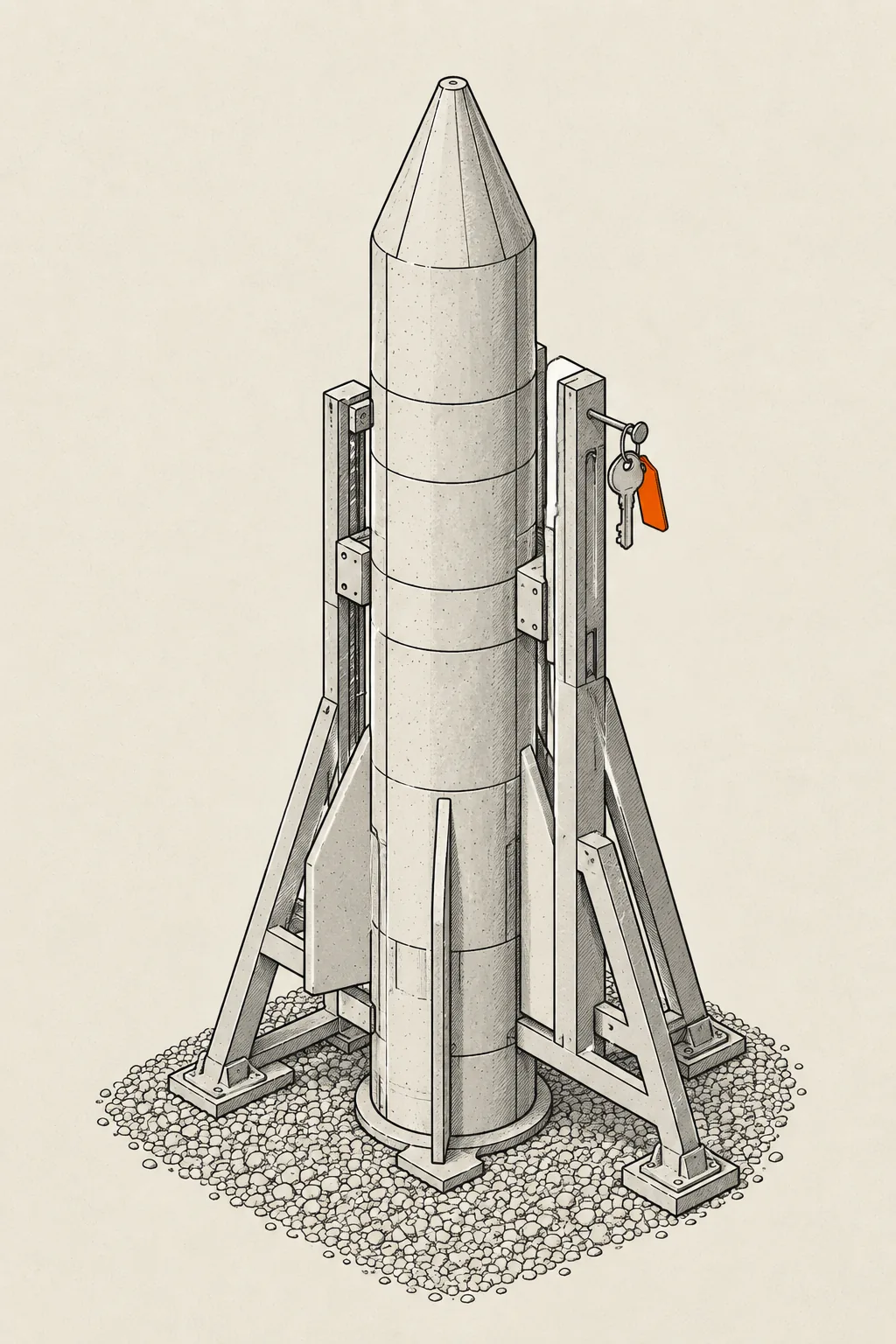
  1. Your wallet shows you a long address and a Confirm button.
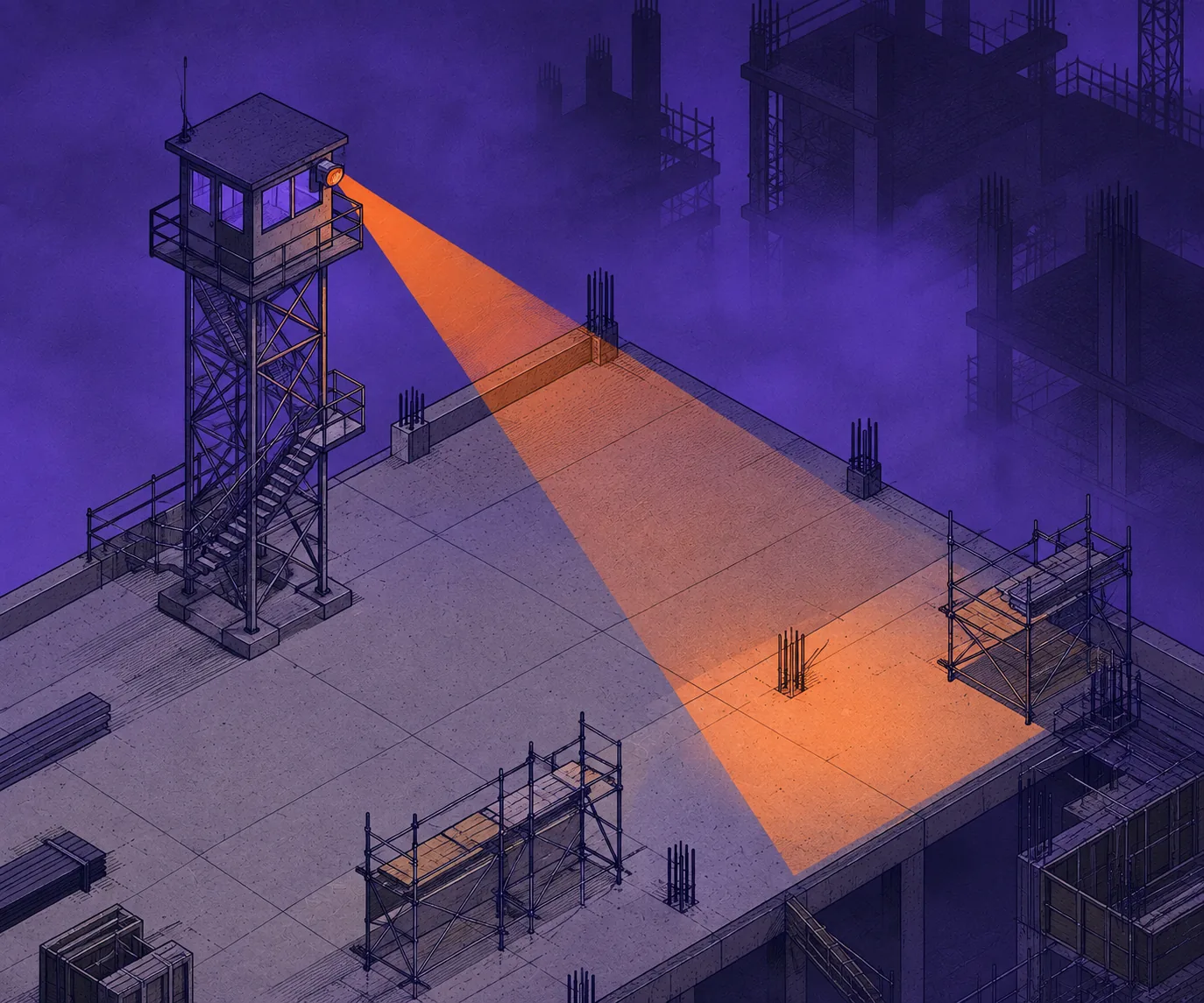
  2. Baret reads the transaction before you press it.
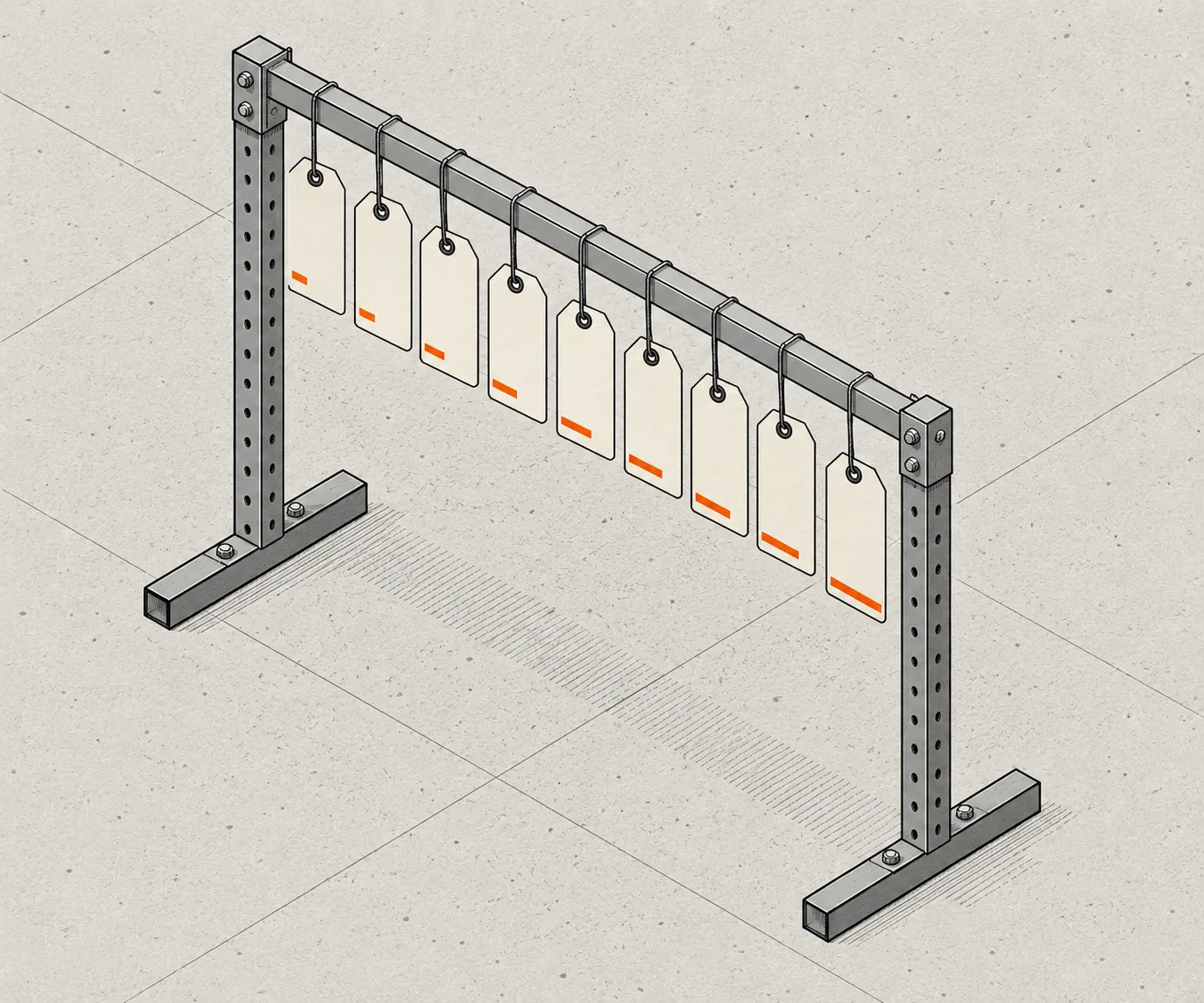
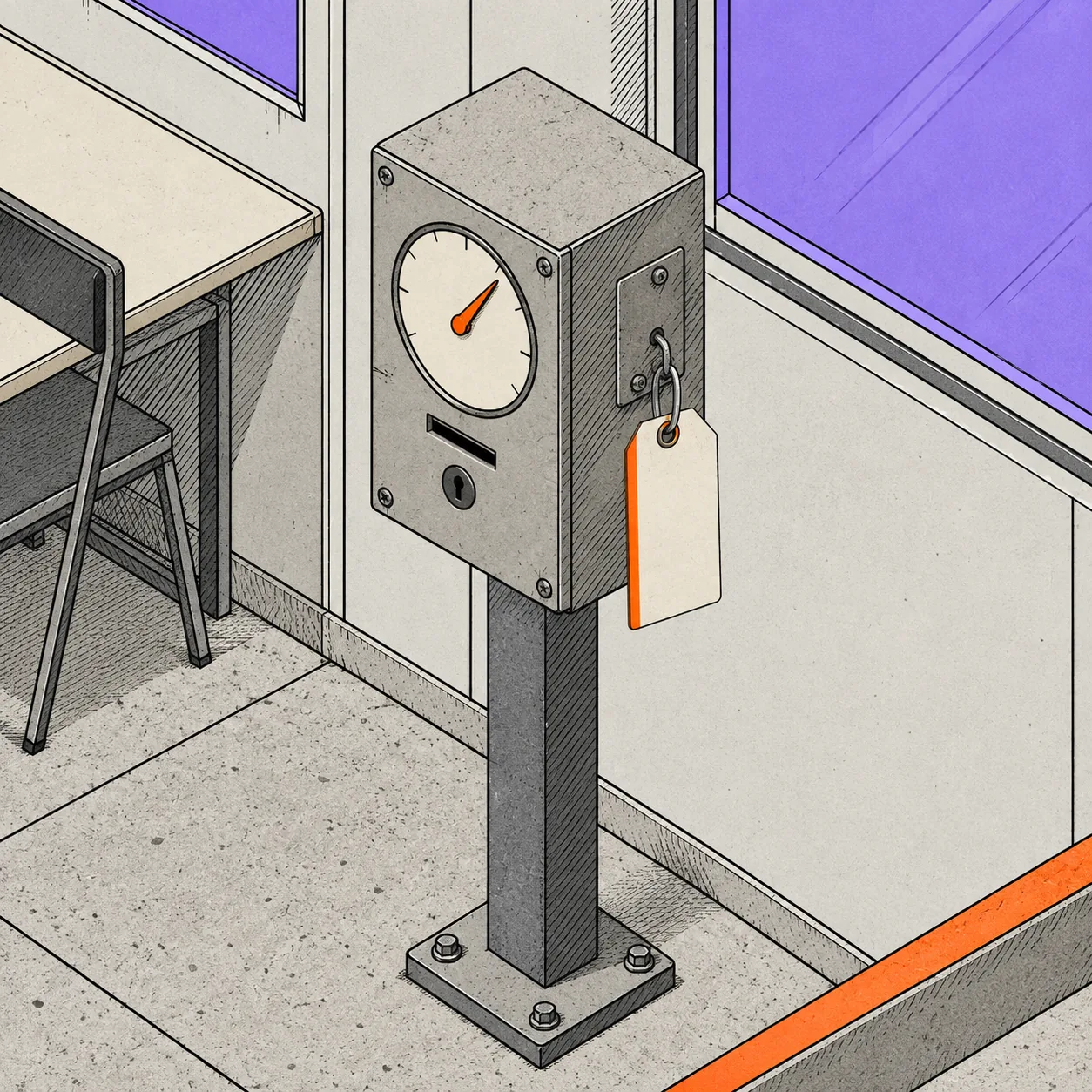
  3. Then it hangs one tag on it: Safe, Caution or Blocked.

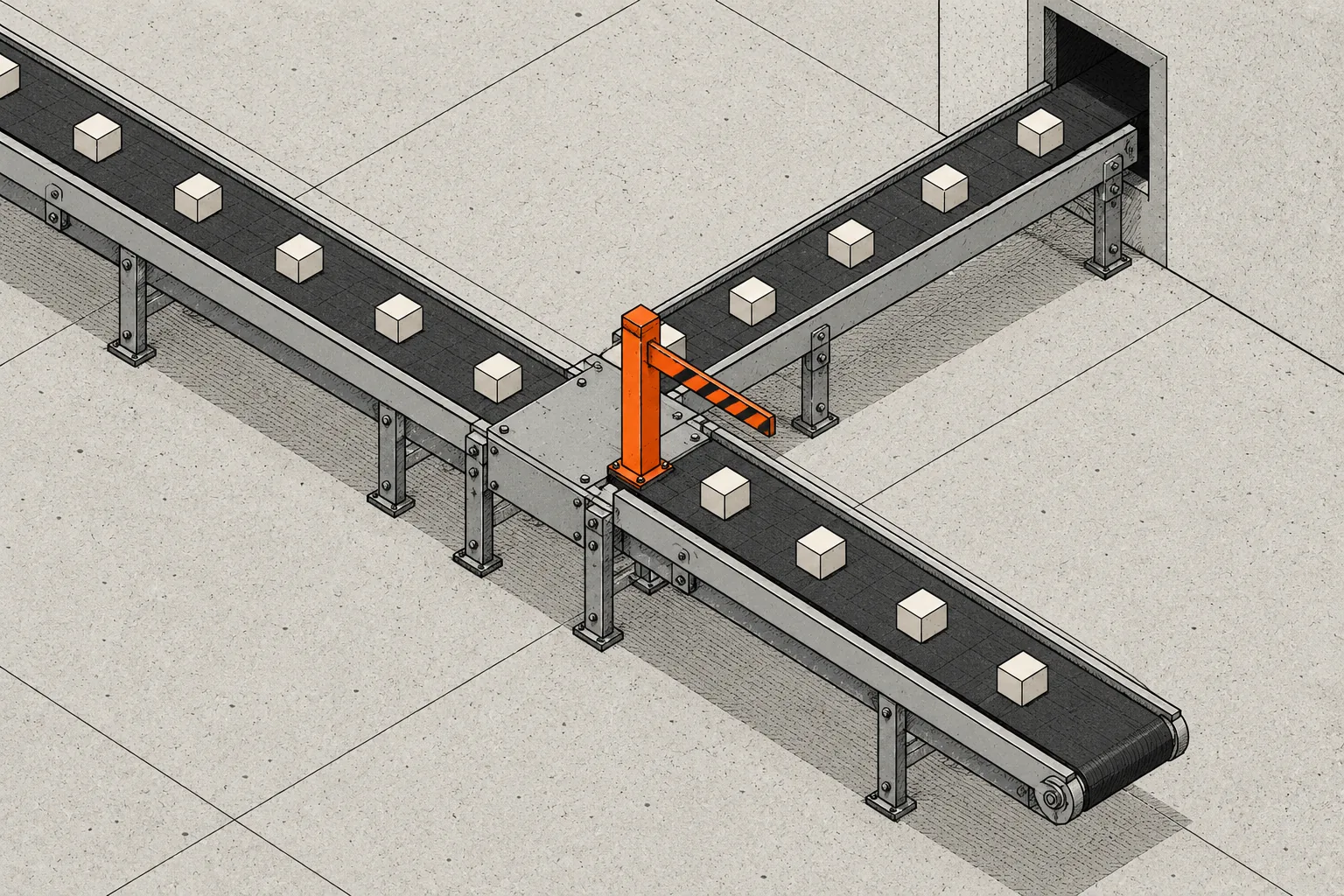
Check it first. Then sign.

Baret runs every Monad transaction without sending it, before you sign. It checks the result against your rules. Then it tells you what it found, in plain words. The same check covers your AI agents.

Checks Baret runs before you sign

See 17 of the 44 checks
  • A transaction that would fail
  • A simulation with gaps
  • Unlimited allowance
  • Operator grant on a whole collection
  • Allowance hidden in a signature
  • Reported contract
  • Unknown contract
  • Self-destructing contract
  • Code run from another contract
  • Ownership handover
  • Address on Baret's reported list
  • Brand-new counterparty
  • Transfer without a verified identity
  • Calls nested deeper than they look
  • Fee far above the need
  • Look-alike payment token
  • Payment to the wrong address

Reads it. Caps it. Watches it.

Three layers around one signature: before you sign, while a permission stays open, and after it is used. Each layer works on its own.

Reads it

Pre-sign Guard

Before your wallet signs, Baret simulates the transaction against live Monad state, reading the chain over Alchemy's Monad RPC. Nine detectors read the result. Reputation comes from Nansen and from threat feeds that Chainlink CRE writes on-chain.

  • Runs without sending
  • Nine detectors, one verdict
  • One plain sentence per finding

Caps it

Authorization Ledger

Some signatures leave a permission behind, like a site allowed to spend your tokens next year. Baret keeps every one in a single list: who can spend, how much, and a Revoke button.

  • Allowances, operator grants and connected sites
  • Revoke in one step
  • Hourly and daily caps for agents

Watches it

Post-sign Monitor

Baret keeps watching after you sign. You get an alert when an allowance is used or funds leave without your signature.

  • Alerts when an allowance is used
  • Alerts on transfers you did not sign
  • History indexed by Envio
  • 9

    detectors read every transaction

  • 25

    rules you can switch on, off or tune

  • 6

    fake sites with real attacks to try

  • 800 ms

    until Monad makes a transaction final

No user counts and no totals. Baret is on testnet, so it counts only what it ships.

Six fake sites. Six real attacks.

Each site looks like a real product and builds a real transaction on Monad testnet. Connect any wallet, press the main button, and read the verdict before anything is signed.

  • Scrybe

    Expected verdict Blocked at the cap

    Let an agent pay per question. Watch the cap hold.

  • NovaSwap

    Expected verdict Blocked

    Swap tokens. See where the output really lands.

  • PixelDrop

    Expected verdict Blocked

    Mint one item. See what else the button grants.

  • OrbitYield

    Expected verdict Blocked

    Stake for yield. See who has verified the pool.

  • ClaimHub

    Expected verdict Blocked

    Claim a free airdrop. See what you are really signing.

  • LaunchPad

    Expected verdict Blocked

    Buy into a token sale. See who still holds the controls.

These sites are fakes built for the showcase. They run on testnet and cannot touch real money.

Open the showcase

Between Safe and Blocked, there is Caution.

A check with two answers has to round. Round down, and a contract nobody verified passes as fine. Round up, and every swap looks alarming until you stop reading. Baret has a third answer. You can sign, and the reason comes first.

Try a sample request

Checked: simulation · approvals · recipient

Blocked

If signed

A site could spend all of your USDC, today or next year.

This lets this site's contract take all of your USDC, including any you receive later, until you revoke it.

Try it on ClaimHub

An example request with sample data, not a live check.

  • Safe

    No rule was broken and no check found a problem. You still see exactly what changes before you sign.

  • Caution

    No rule was broken, but a check found something worth a look. For example, a contract nobody verified, a brand-new wallet, or a fee far above the need.

  • Blocked

    A rule you set stopped it. Baret names the rule, not a score. In the extension, signing anyway takes a separate press‑and‑hold, and it is logged. The web wallet never signs a blocked request.

The fourth verdict: Can't reach Baret

x402 forgets every payment. Baret keeps count.

x402 lets an AI agent pay for an API by itself, in small payments. It is stateless on purpose: no running total, no cap, no way to revoke a key. Baret keeps the memory the protocol leaves out. Your agent gets a leash, a budget and a kill switch.

Set up your agent

The agent's own wallet comes from Dynamic, and the vault owner authorises it with their Mera passkey. Per-payment and daily caps live on‑chain in your PaymentGuard vault.

  • The budget

    Caps for each merchant, per payment, per hour and per day. Every payment counts against a real number. The one that crosses it does not go out.

    A sample run: an agent asks Scrybe 20 questions at 2 USDC each.

    Daily cap
    Blocked at the cap

    10 of 20 paid. This payment of 2 USDC would bring the last 24 hours to 22 USDC. Your daily cap is 20 USDC.

    A sample run with sample data, not a live payment.

  • The leash

    Baret checks the token contract against your list of allowed assets. A look-alike fails, even with a perfect name.

  • The kill switch

    The agent's key can only pay from your PaymentGuard vault, inside your caps. Revoke it in one transaction and every later payment from it fails on-chain.

Sign with your eyes open.

Open the showcase and press Claim on a fake airdrop. Read what Baret finds before anything is signed.

MIT licenceSourceNot audited yetMonad testnet onlyFails closed